
Looking Beyond the Headlines. Red Meat for Lymph Health, and Metabolic Balance in the spotlight.
Red meat often gets a bad reputation in discussions about health yet the carnivore diet ranks tops in South Africa. When animal proteins, like red meat, is sourced well and prepared thoughtfully, it can be deeply nourishing, particularly for lymphatic support, metabolic balance, and overall vitality.
At Imsyser, the focus is not on rigid restriction but on quality, preparation, and context—understanding how food works with the body’s natural systems rather than against them.
The Nutritional Value of High-Quality Red Meat
High-quality red meat provides essential nutrients that are difficult to obtain in meaningful amounts from plant sources alone. These include:
Iron for oxygen transport and energy production
Vitamin B12 for nerve function and red blood cell formation
Zinc and other trace minerals that support immunity and tissue repair
Complete proteins containing all essential amino acids
Animal proteins are highly bioavailable, meaning the body can absorb and utilize them efficiently. For individuals experiencing fatigue, sluggish lymphatic flow, or hormonal imbalance, these nutrients can play a meaningful supportive role.
However, quality remains critical. Grass-fed or naturally raised meat generally contains a more favorable nutrient profile and fewer inflammatory compounds than heavily processed options.
Why Preparation Matters
The way meat is prepared can significantly influence how the body responds to it.
Gentle cooking methods such as:
Slow cooking
Light simmering
Stewing
help maintain nutrient integrity while making proteins easier to digest and absorb.
In contrast, methods such as deep frying, charring, or consuming heavily processed meats may introduce compounds that promote inflammation and digestive stress.
A warm, slow-cooked meal also tends to be easier on the digestive system, which indirectly supports healthy lymphatic drainage and metabolic efficiency. Red Meat for Lymph Health, and Metabolic Balance
Balance Your Plate with Plant Nutrition
Protein works best in partnership with plant foods. Adding low-carbohydrate greens and nutrient-dense vegetables enhances the quality of the meal and provides antioxidants that support metabolic health.
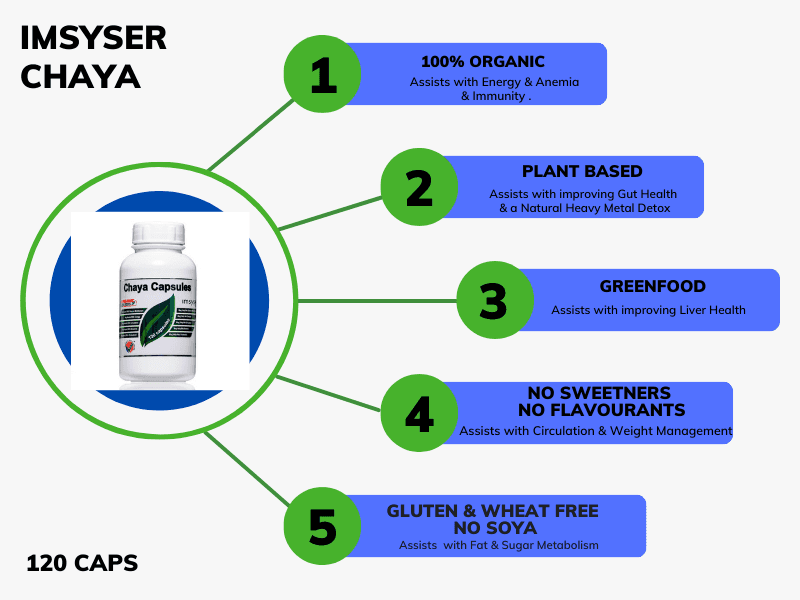
One powerful plant addition is Chaya, a mineral-rich green known for its antioxidant and metabolic-supporting properties.
Imsyser Chaya powder can help support:
Vascular health
Antioxidant protection
Mineral replenishment
Improved nutrient absorption
Supporting the Gut–Metabolism Connection
Another powerful combination is adding Chaya to a smoothie with Imsyser fermented liquid, a probiotic-rich formula containing:
Digestive enzymes
Soil-based organisms
Pre- and probiotics
A balanced microbiome improves gut barrier integrity and short-chain fatty acid (SCFA) production.
These SCFAs influence metabolic signaling and may help stimulate hormones such as GLP‑1, which may play a role in:
Appetite regulation
Blood sugar balance
Digestive efficiency
Healthy gut signaling can indirectly support lymphatic function and metabolic balance.
Wholefood Nutritional Support
Supporting the body with additional nutrients can also enhance these benefits.
Imsyser Tabs, a wholefood omega-rich supplement, contain plant compounds including:
Antioxidants
Plant sterols
Sterolins
These nutrients help support:
Reduced systemic inflammation
Stable cell membranes
Vascular health
Nervous system balance
Together with nutrient-dense meals, these compounds contribute to steady metabolism and resilient lymphatic flow.
Nourishment That Works Within the Body
True nourishment rarely comes from extremes.
Instead, it comes from balanced meals, thoughtful preparation, and nutrient synergy. When high-quality protein is combined with mineral-rich greens, probiotic support, and wholefood supplements, the body receives the tools it needs to maintain healthy metabolism, circulation, and lymphatic function.
Real wellness does not force detox.