
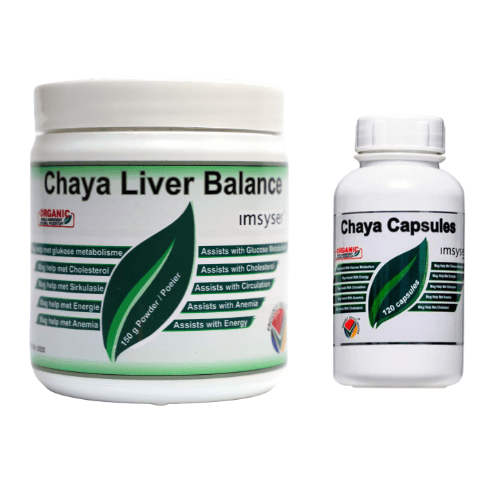
Chaya can support GLP-1 indirectly by improving the gut environment, stabilizing glucose, and reducing inflammatory load.
It doesn’t act like a GLP-1 drug; instead, it strengthens the terrain that allows your own hormone signaling to work better.
What is Chaya
Chaya comes from Cnidoscolus aconitifolius and is grown right here in South África as a nutrient-dense leafy green.
Here’s how Chaya may help
1️⃣ Fibre → SCFA → GLP-1 Stimulation
Chaya provides plant fibre. When naturally fermented by your gut bacteria, fibre produces short-chain fatty acids (SCFAs), especially butyrate.
Butyrate: Stimulates GLP-1 release from intestinal L-cells. Improves insulin sensitivity and Enhances satiety signaling
If your Greenfood contains additional prebiotic fibers, the GLP-1 effect becomes stronger.
2️⃣ Polyphenols Improve Hormone Signaling
Chaya contains antioxidant compounds and polyphenols.
Polyphenols: Modulate gut microbiota composition. Reduce oxidative stress. And improve metabolic signaling. A less inflamed gut responds more efficiently to GLP-1.
3️⃣ Mineral Density Supports Glucose Stability
Chaya is rich in: Magnesium, Potassium, Iron, & Plant protein
Magnesium in particular supports insulin sensitivity. Better insulin response amplifies GLP-1’s natural function.
4️⃣ Blood Sugar Stabilization
Leafy green slow carbohydrate absorption when consumed before or with meals.
More stable glucose curves:
Trigger appropriate GLP-1 release
Reduce excessive insulin spikes
Improve satiety feedback. This supports appetite regulation rather than overriding it.
5️⃣ Chlorophyll & Detox Load Reduction
While chlorophyll doesn’t directly increase GLP-1, lowering systemic inflammatory burden improves overall metabolic hormone responsiveness. Less inflammation = clearer signaling.
A Chaya-based Greenfood supports:
Gut terrain
Microbiome balance
Glucose control
Satiety signaling
Rather than marketing it as a GLP-1 booster, it fits better as: “Daily metabolic signaling support through gut and micronutrient optimization.”